
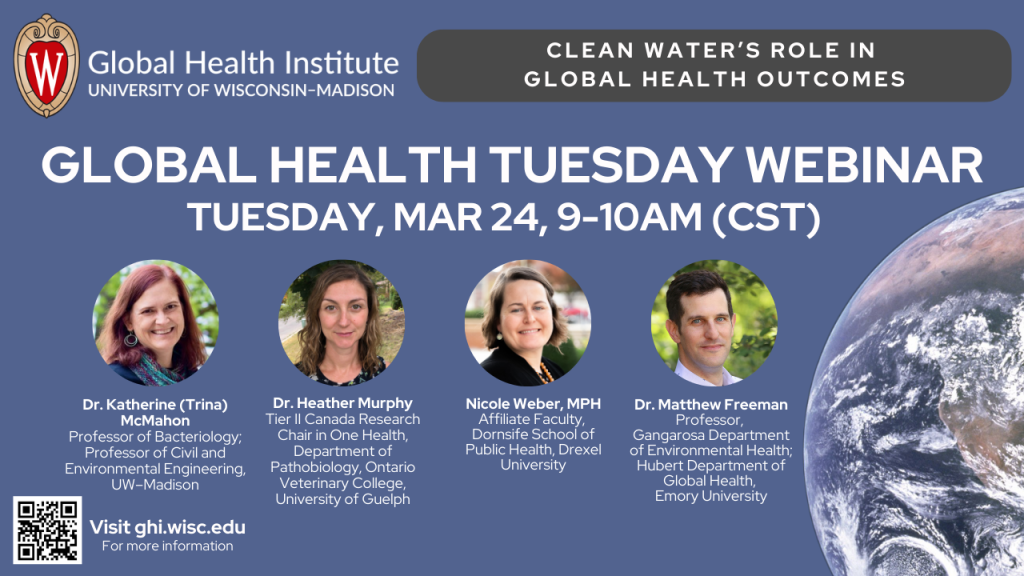
The Global Health Institute’s March Global Health Tuesday Webinar was Tuesday, March 24, 2026. Dr. Katherine (Trina) McMahon, Professor of Bacteriology; Professor of Civil and Environmental Engineering, UW–Madison, moderates a timely conversation on Clean Water’s Role in Global Health Outcomes.
Dr. McMahon led the discussion with panelists Dr. Heather Murphy, Tier II Canada Research Chair in One Health, Department of Pathobiology, Ontario Veterinary College, University of Guelph; Nicole Weber, MPH, Affiliate Faculty, Dornsife School of Public Health, Drexel University; and Dr. Matthew Freeman, Professor, Gangarosa Department of Environmental Health; Huber Department of Global Health, Emory University.
Please use this link to find the recording on our YouTube Channel.
MEET THE MODERATOR:
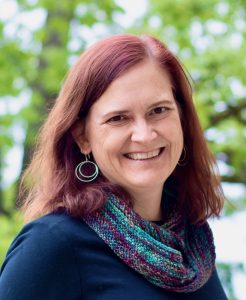
DR. KATHERINE (TRINA) McMAHON
Professor of Bacteriology; Professor of Civil and Environmental Engineering, Applied and Aquatic Microbiology: McMahon Lab, UW–Madison
Dr. Katherine (Trina) McMahon is a Professor of Bacteriology; Professor of Civil and Environmental Engineering; and runs the Applied and Aquatic Microbiology: McMahon Lab at UW–Madison. Her research overview focuses on how microbes have extraordinarily diverse and sophisticated physiologies, communication strategies, and mechanisms of evolution, and where scientists and engineers are only beginning to understand and exploit the metabolic potential of these organisms and their communities. The broad objective of her research program is to improve our capacity to predict and model microbial behavior, while searching for novel biologically mediated transformations that can be harnessed for engineering applications.
She and her students study the microbial ecology of both natural and engineered systems. They use molecular tools to investigate microbial community structure and function in lakes and activated sludge. Their work on freshwater lakes leverages the North Temperate Lakes Long Term Ecological Research program, providing rich contextual data for our 20+ year time series of microbial data. The activated sludge systems are designed to achieve phosphorus and/or nitrogen removal from wastewater, which ultimately protects surface waters from eutrophication. They combine (biogeo) chemical measurements, ‘omics and post-‘omics data, and computational modeling to describe and understand these systems. The overarching goal is the construction of more predictive mechanistic and ecosystem-scale models to use for forecasting and in silico experimentation.
MEET THE PANELISTS:
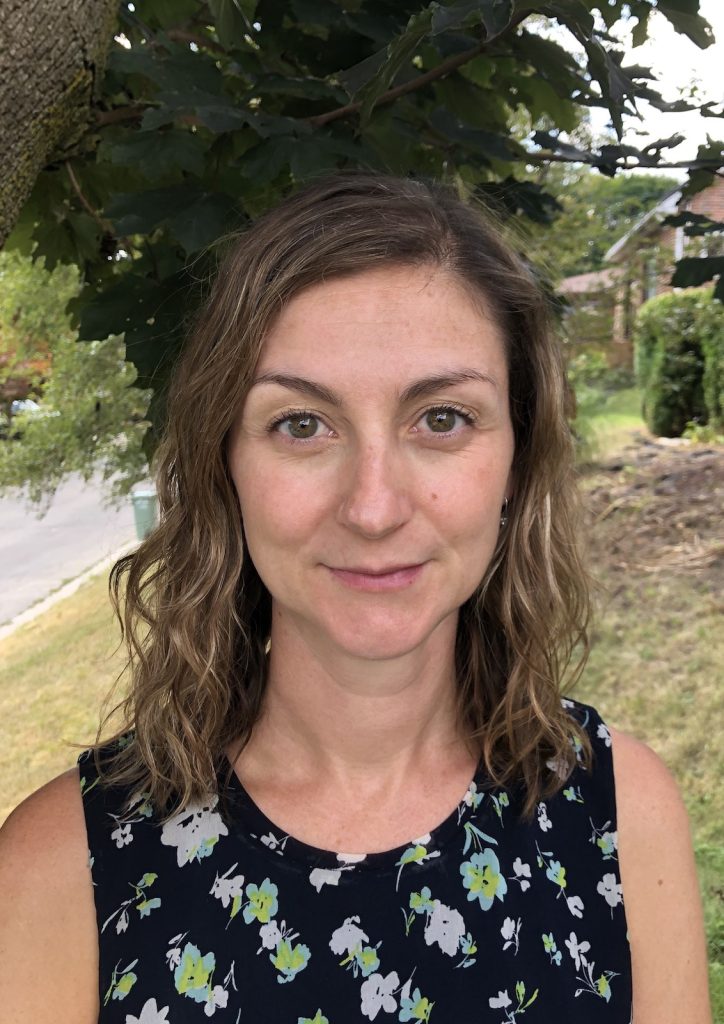
DR. HEATHER MURPHY
Tier II Canada Research Chair in One Health; Associate Professor, Department of Pathobiology, Ontario Veterinary College, University of Guelph
Dr. Murphy has over twenty years of experience in water-related research in both North America and abroad. Dr. Murphy obtained her PhD in Environmental Engineering from the University of Guelph, Canada, where she focused on appropriate household water treatment technologies in rural Cambodia. Following her PhD, she worked for the United Nations International Emergency Children’s Fund (UNICEF) as a Water, Sanitation and Hygiene Specialist in Mali and Madagascar. She returned to academia in 2013 and completed a research fellowship with the Public Health Agency of Canada where she focused on quantifying the burden of waterborne disease on the Canadian population. In 2015 she joined Temple University’s College of Public Health where she was an Assistant Professor for 5 years and where she currently maintains an adjunct Associate Research Professor Position. As of September 1, 2020, she joined the Department of Pathobiology, in the Ontario Veterinary College (OVC) as Tier II Canada Research Chair and Associate Professor working in the area of One Health. She was recently inducted into the Royal Society of Canada in their College of New Scholars and was named one of Canada’s Top 100 Most Powerful Women in 2025 for her work and contributions to mentorship of female scientists.
Dr. Murphy’s research interests involve understanding and addressing water and health challenges in both developed and developing countries using a One Health approach. She leads the Water, Health and Applied Microbiology (WHAM) Lab. Her work seeks to identify and understand the ways enteric pathogens move through water and the environment, and propose appropriate interventions and water and sanitation controls measures needed to protect human and animal health.
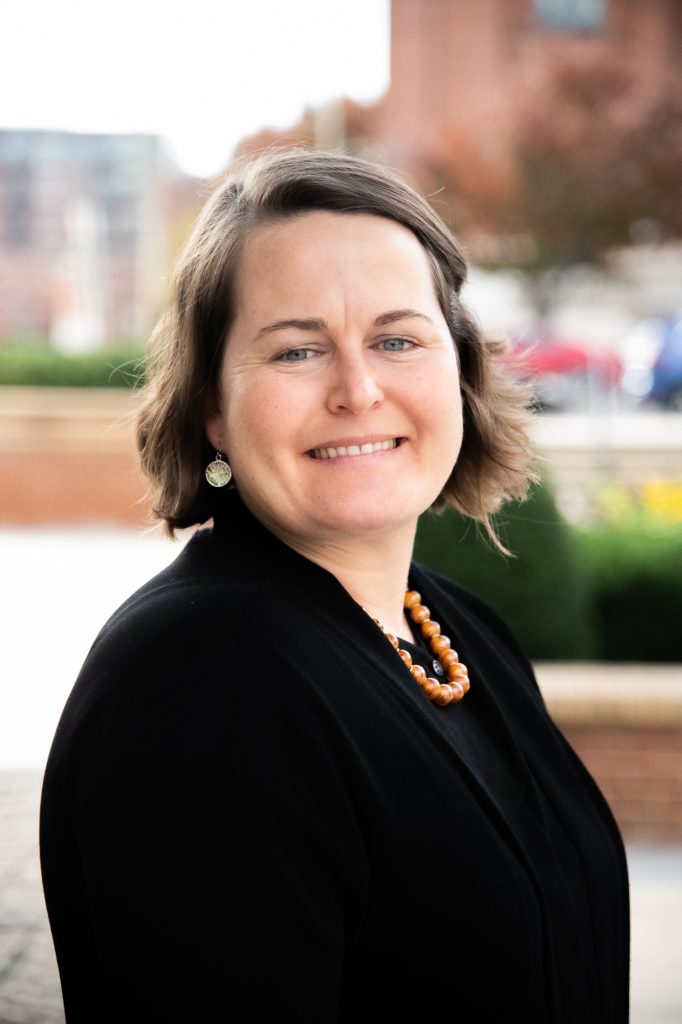
NICOLE WEBER, MPH
Affiliate Faculty, Dornsife School of Public Health, Drexel University
Nicole Weber is a global water, sanitation, and hygiene (WASH) professional with 15 years of experience across humanitarian and international development settings. She is an Affiliate Faculty member at the Dornsife School of Public Health at Drexel University and co-author of the water and sanitation chapter in Health in Humanitarian Emergencies: Principles and Practice for Public Health and Healthcare Practitioners. She is a contributing member of the Global Hygiene Promotion in Emergencies Working Group.
Nicole’s professional experience includes living and working on public health and humanitarian issues in the Democratic Republic of the Congo with Mercy Corps and Première Urgence Internationale, as well as working in rural Chad supporting frontline Guinea worm eradication efforts with The Carter Center. She also served as a Research Fellow at the U.S. Centers for Disease Control and Prevention (CDC), where she provided technical assistance on water and sanitation to support quality of care in healthcare facilities and deployed for emergency responses to cholera and forced mass displacement. More recently, she was a Technical WASH Director at Save the Children for a U.S. Government–funded global WASH capacity-strengthening and applied research project in support of food security and nutrition in fragile and humanitarian settings. She holds a Master of Public Health from the Europubhealth program (EHESP French School of Public Health, University of Granada, and Jagiellonian University) and a Master in Humanitarian Aid from The Graduate Institute/University of Geneva. She is currently pursuing a PhD at the Nelson Institute for Environmental Studies, University of Wisconsin-Madison.
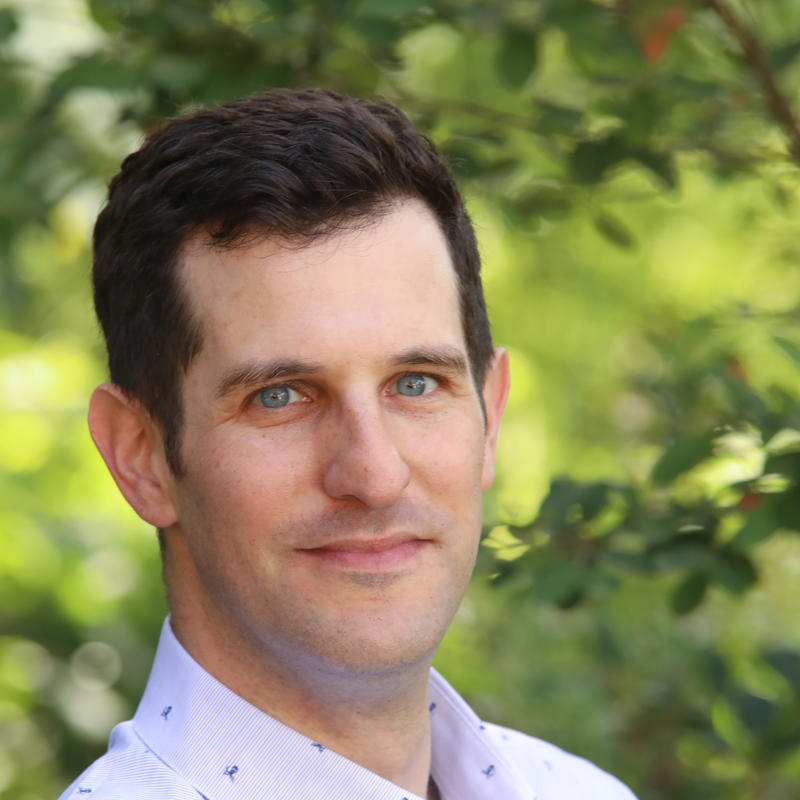
DR. MATTHEW FREEMAN
Professor, Gangarosa Department of Environmental Health; Hubert Department of Global Health, Emory University
Dr. Freeman is the Asa Griggs Candler Professor of Environmental Health, with joint appointments in the departments of Global Health and Epidemiology. His work is on the impact of environmental drivers of infectious disease, specifically access to water, sanitation, and hygiene in low-income settings. He is particularly interested of late in the role of foodborne transmission through informal food value chains and other water, sanitation, and hygiene (WASH) pathways and on implementation research on designing and testing environmental health intervention strategies. He has led field trials in Mozambique, Cambodia, Mali, Kenya, India, and Laos and elsewhere assessing the impact of school-based, community-based, and multi-sectoral WASH improvements on diarrheal disease, respiratory infection, neglected tropical diseases, and growth shortfalls. His current work in Mozambique assesses the role of chicken-related pathogens in child health, and a separate project assessing the impact of an urban water supply improvement on child microbiome and gut health. An ongoing trial in Cambodia is exploring the costs and benefits of intervention strategies to move to cleaner cooking technologies.
Dr. Freeman earned his PhD in Infectious and Tropical Diseases from the London School of Hygiene and Tropical Medicine and his MPH is in Global Environmental Health from Emory. He has has co-authored over 200 peer-reviewed journal articles and commentaries. He serves as a Commissioner on the Lancet Commission of Water, Sanitation, Hygiene and Health and on the STH Advisory Board. He received the Association of Schools and Programs in Public Health Early Career Research Award. In 2018 and 2020, he received the Environmental Health Department Excellence in Teaching Award.