Global Health Tuesday Webinar: Urban Health in Africa
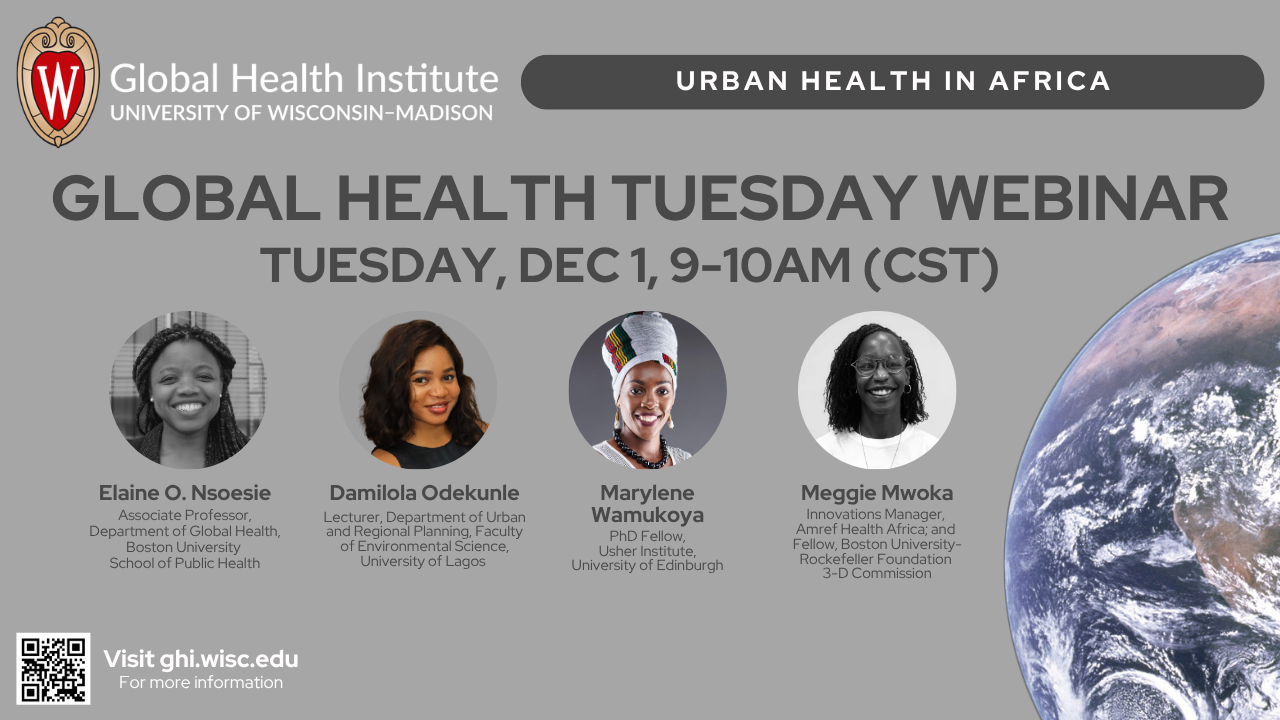
Join the Global Health Institute (GHI) for our December Global Health Tuesday Webinar on Tuesday, December 1, 2026, 9am CST, where the discussion will focus on Urban Health in Africa.
Elaine O. Nsoesie, Associate Professor, Department of Global Health, Boston University School of Public Health, leads the discussion with panelists Dakmilola Odekunle, Lecture, Department of Urban and Regional Planning, Faculty of Environmental Science, University of Lagos; Marylene Wamukoya, PhD Fellow, Usher Institute, University of Edinburgh; and Meggie Mwoka, Innovations Manager, Amref Health Africa; and Fellow, Boston University-Rockefeller Foundation 3-D Commission.
Please use this Zoom link to register.
MEET THE MODERATOR:

ELAINE O. NSOESIE
Associate Professor, Department of Global Health, Boston University School of Public Health
Elaine O. Nsoesie is an Associate Professor in the Department of Global Health at the Boston University School of Public Health. She is an internationally recognized data scientist and a leading voice on the use of data and technology to advance health equity. She is a Data Science Faculty Fellow and was a Founding Faculty of the Boston University Faculty of Computing and Data Sciences. She co-edited and contributed to the book, Urban Health in Africa – a collection of essays by thirty eight scholars focused on addressing critical issues related to urbanization in Africa.
She served as a program lead and senior advisor to the Artificial Intelligence/Machine Learning Consortium to Advance Health Equity and Researcher Diversity (AIM-AHEAD) Program at the National Institutes of Health through the Intergovernmental Personnel Act (IPA) Mobility Program. She also led the Racial Data Tracker project at the Boston University Center for Antiracist Research. She has expertise in the application of data science methods (including, machine learning and artificial intelligence) and data from non-traditional public health sources (such as, mobile phones, satellites, and social media) to address major global health challenges. Her work approaches health equity from multiple angles, including increasing representation of communities typically underrepresented in data science through programs like Data Science Africa and AIM-AHEAD; addressing bias in health data and algorithms; and using data and policy to advance racial equity.
MEET THE PANELISTS:

DAMILOLA ODEKUNLE
Lecturer, Department of Urban and Regional Planning, Faculty of Environmental Science, University of Lagos
Damilola Odekunle is a registered urban planner and lecturer at the University of Lagos, Nigeria, with 11 years of experience in teaching, research, and consultancy on urban planning, development and management. Her work explores the intersections of urban competitiveness and resilience, urban governance, and social justice. Her transdisciplinary portfolio covers a wide range of local and global issues – from community and urban resilience to sustainable agriculture, conflict, and terrorism, urban health, water politics, global diet, and physical activity. By integrating perspectives from multisectoral stakeholders, Damilola co-designs policy interventions to transform local communities, reduce inequity, and strengthen collective resilience.
Since she joined the University of Lagos in 2015, she has collaborated on several globally funded transdisciplinary research projects, such as the Global Diet and Activity Research Network (GDARSpaces), African Cities Research Consortium, Appropriation of Public Space and Urban Infrastructure for Leisure Physical Activity, and the African Engineering and Technology Network, where she served as program coordinator, respectively.
Damilola is a widely published author in high-impact journals and has presented her research across five continents (Europe, Africa, Asia, North America, and Oceania). Her work continues to provide communities with practical tools, drive policy changes, strengthen local capacity to face future environmental and social challenges, and influence urban resilience planning and programming.
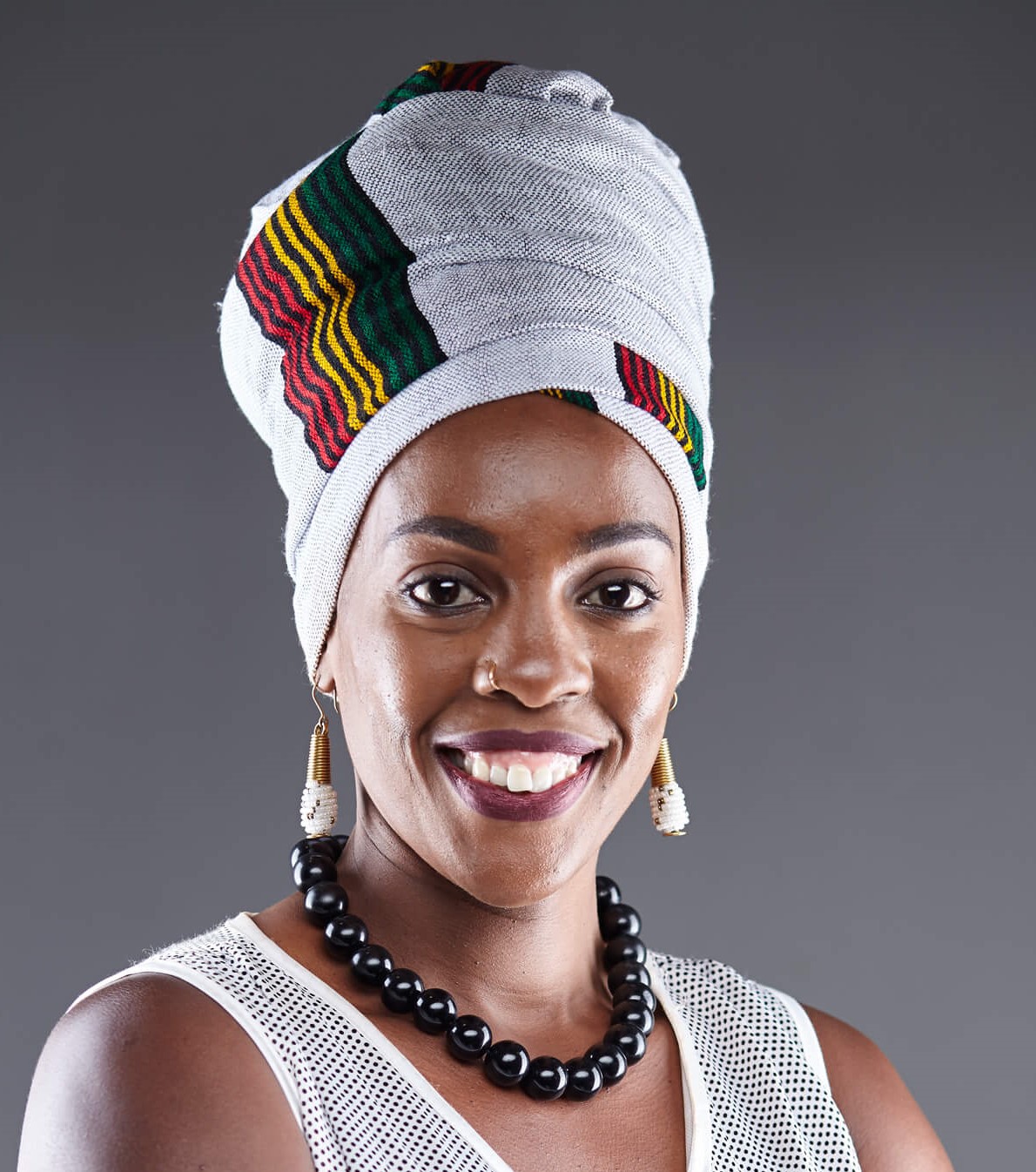
MARYLENE WAMUKOYA
PhD Fellow, Global Health Epidemiology, Usher Institute, University of Edinburgh
Marylene Wamukoya is a PhD Fellow in Global Health Epidemiology at the Usher Institute at the University of Edinburgh where her research work explores how reproductive careers (including current pregnancy status and the number of prior pregnancies and births) modify the risk of multimorbidity among women in sub-Saharan Africa (SSA). She holds Master of Public Health degree in Biostatistics & Environmental and Occupational Health from Emory University, and a Bachelor of Arts degree from Lawrence University, where she studied Chemistry and Spanish. She has over 15 years of experience working in demographic, health, and poverty dynamics research in Africa, with a combination of longitudinal and cross-sectional data auditing and analytical skills (using SAS, Stata and Nesstar), and her research interest is in longitudinal socio-economic and health outcomes among women in SSA.
Her work excites her because it enables her to contribute to global push to ‘leave no one behind’ by ensuring the availability of quality interdisciplinary data that provide evidence for informed decision-making. Additionally, through her service to profession, she transfers her acquired knowledge to her various mentees. In June 2026, her alma mater, Lawrence University, awarded her the Joseph F. Patterson Jr. ’69 Service to Society Award for her contributions to urban health research and poverty dynamics in SSA.
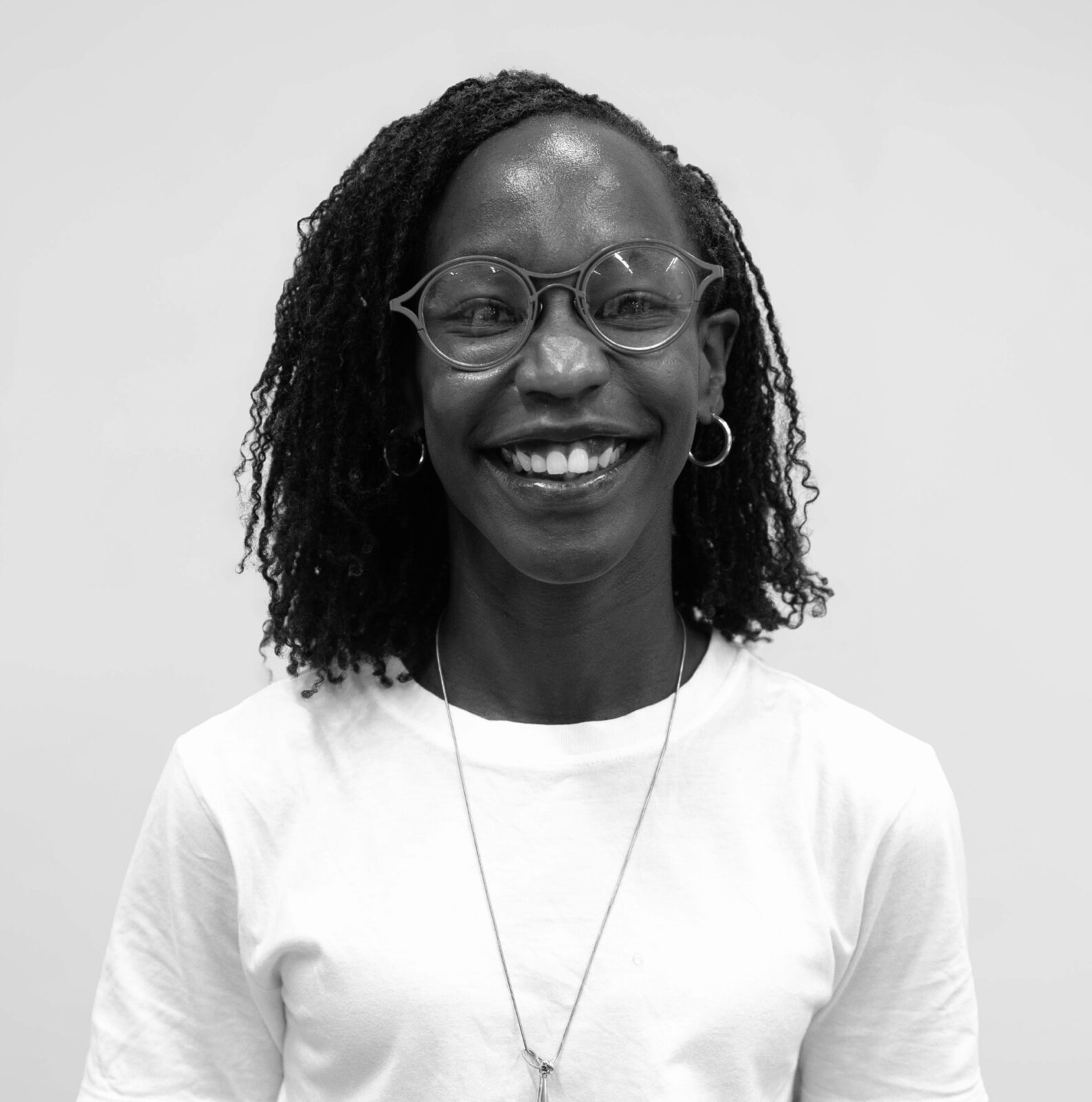
DR. MEGGIE MWOKA
Innovations Manager, Amref Health Africa; Fellow, Boston University-Rockefeller Foundation 3-D Commission
Dr. Meggie Mwoka is a physician and innovation-ecosystem leader working at the intersection of health systems, policy, data, finance, and innovation. She is currently an Innovations Manager at Amref Health Africa, where she leads a multi-country innovation and entrepreneurship portfolio across Kenya, Senegal, and Zambia, connecting universities, governments, investors, and African health ventures.
A Fellow of the Boston University–Rockefeller Foundation 3-D Commission, Meggie has researched and published on social determinants of health and urban health, including housing as a determinant of health in African cities. Her work brings together policy, data, science, talent, and innovation to unpack complex health challenges and translate evidence into practical, scalable solutions. She now manages a cross-university platform that brings student innovators together to build ventures addressing the social determinants of health — shaping a health agenda in which young entrepreneurs think differently about what actually creates health.