Global Health Tuesday Webinar: Trust, Information, and Outbreak Response: Lessons from Ebola
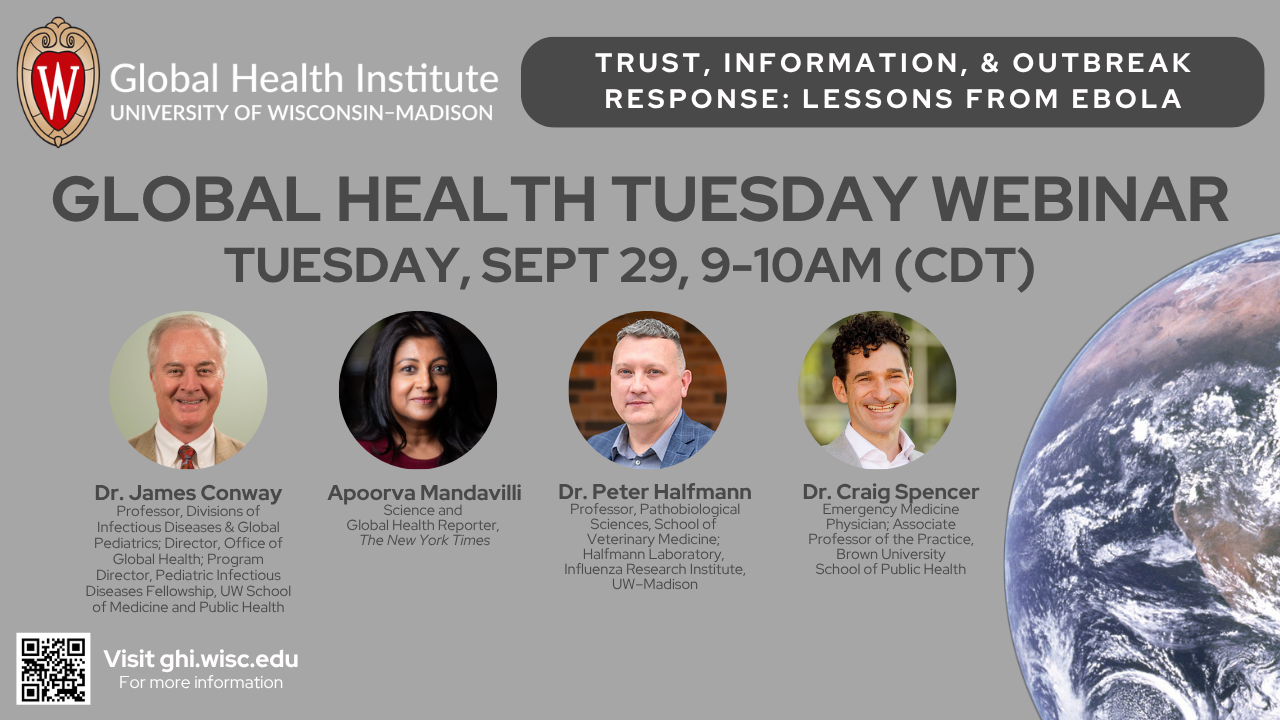
The Global Health Institute’s (GHI) September Global Health Tuesday Webinar was on Tuesday, September 29, 2026, where the discussion focused on Trust, Information, and Outbreak Response: Lessons from Ebola.
Dr. James Conway, Professor, Divisions of Infectious Diseases & Global Pediatrics; Director, Office of Global Health; Program Director, Pediatric Infectious Diseases Fellowship, UW School of Medicine and Public Health leds the discussion with panelists Apoorva Mandavilli, Science and Global Health Reporter, The New York Times; Dr. Peter Halfmann, Professor, Pathobiological Sciences, School of Veterinary Medicine; Halfmann Laboratory, Influenza Research Institute, UW–Madison; and Dr. Craig Spencer, Emergency Medicine Physician; Associate Professor of the Practice, Brown University School of Public Health.
Please find a recording of the session on our YouTube Channel.
MEET THE MODERATOR:
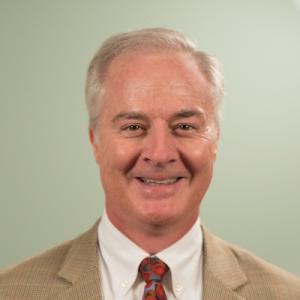
DR. JAMES CONWAY
Professor, Divisions of Infectious Diseases & Global Pediatrics; Director, Office of Global Health; Program Director, Pediatric Infectious Diseases Fellowship, UW School of Medicine and Public Health
Dr. James Conway is a Professor of Pediatrics at the University of Wisconsin–Madison School of Medicine & Public Health, where he serves as Pediatric Infectious Diseases Fellowship Program Director and Director of the Office of Global Health, as well as well as Medical Director for UW Health Immunization Programs. He is responsible for coordinating global health educational programs involving health professional students at UW–Madison, and oversight of international programs in the UW School of Medicine & Public Health.
Dr. Conway has spent much of his career working to improve immunization systems and address vaccine hesitancy in the US and abroad. He is a Fellow of the American Academy of Pediatrics, where he serves as a Global Sustainability advisor, and received an AAP Special Achievement Award in 2009 for his global immunization projects and another in 2016 for HPV advocacy. He is a member of the Pediatric Infectious Disease Society Vaccine Advocacy Committee and has served on the American Board of Pediatrics –
SubBoard of Pediatric Infectious Diseases since 2018, and elected Chair for 2022-3.
His most recent project involves serving as a Technical and Global Sustainability Advisor for a collaborative program between the American Academy of Pediatrics and the Centers for Disease Control, working to simultaneously strengthen pediatric professional societies and immunization programs in over a dozen high-priority countries in Africa & Asia.
He has served on the UW System & UW–Madison Emergency Operations Committees as well as the State Disaster Medical Advisory Committee on COVID19 vaccines since early in the pandemic. He also has been a scientific advisor to healthcare and public health organizations regionally and internationally, while working on an array of COVID-19 vaccine development projects.
MEET THE PANELISTS:

APOORVA MANDAVILLI
Science & Global Health Reporter, The New York Times
Apoorva Mandavilli is a reporter for The New York Times, focusing on science and global health. She shared in the paper’s 2021 Pulitzer Prize for Public Service for coverage of the pandemic, and was also a member of the team that was a finalist for the 2021 Pulitzer Prize for National Reporting. She is the 2019 winner of the Victor Cohn Prize for Excellence in Medical Science Reporting, and has won numerous other awards for her writing.
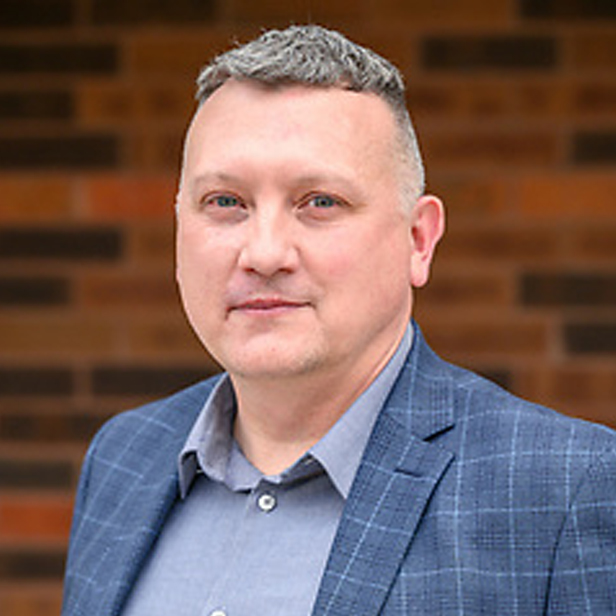
DR. PETER HALFMANN
Professor, Pathobiological Sciences, School of Veterinary Medicine; Halfmann Laboratory, Influenza Research Institute, UW–Madison
Dr. Peter Halfmann is a professor at the Influenza Research Institute, within the Department of Pathobiological Sciences at the School of Veterinary Medicine, University of Wisconsin–Madison.
His research focuses on decrypting the pathogenicity of respiratory viruses, such as influenza viruses and coronaviruses, as well as hemorrhagic fever viruses like Ebola and Marburg viruses. They aim to uncover and characterize host factors and viral determinants that drive differences in disease severity and transmissibility between different virus species or isolates.
Using reverse genetics systems, a method to generate live virus from cDNA plasmids, they can generate viruses from viral RNA or publicly available sequence data, enabling the study of phenotypic differences between virus isolates at the molecular level, even down to single amino acid changes. This capability allows exploration on how specific mutations influence a specific viral phenotype.
The information gathered from these studies along with the unique tools, techniques, and reagents generated in his laboratory allows the development and evaluation of novel medical countermeasures against these viruses to help improve public health.
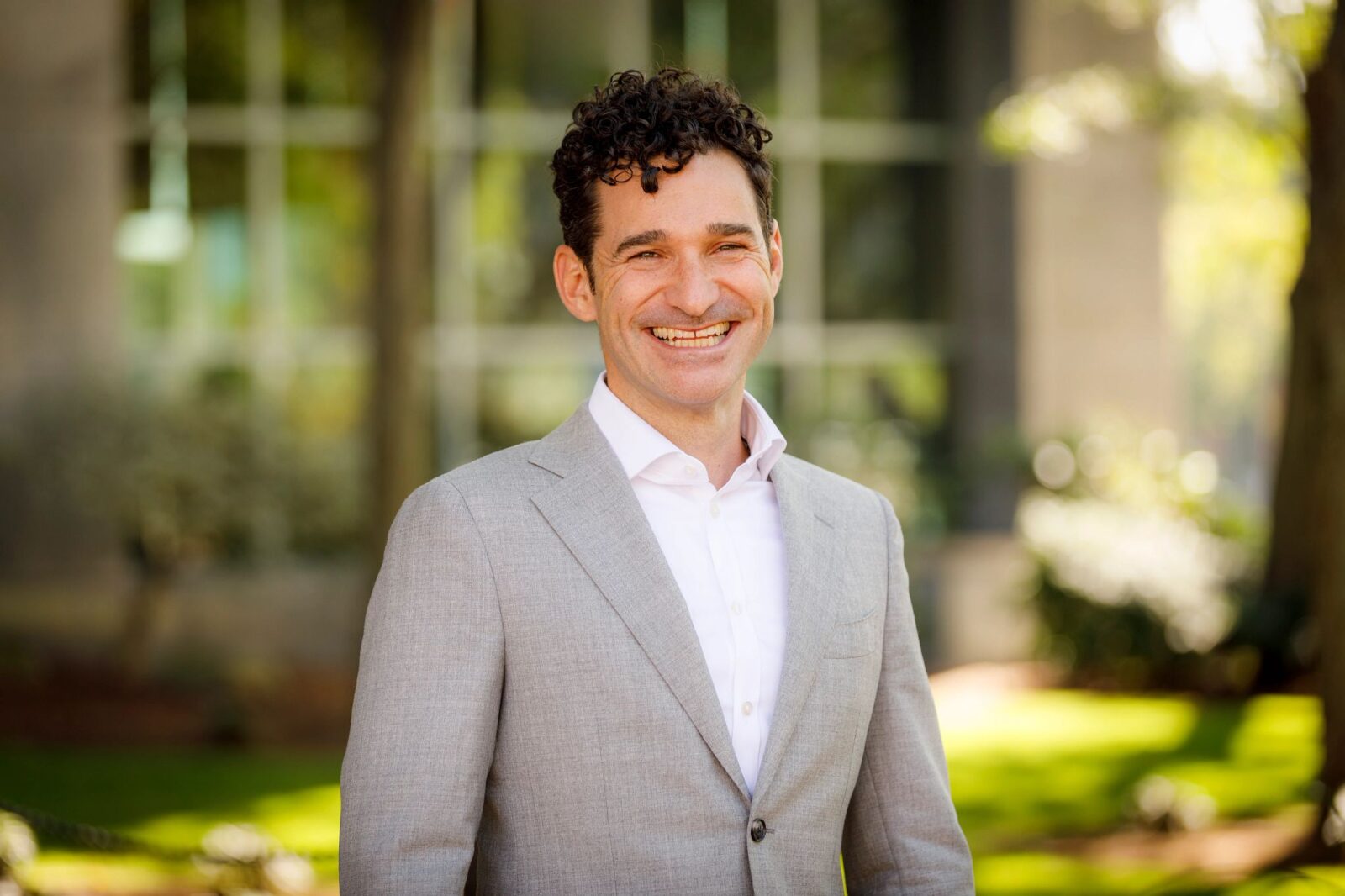
DR. CRAIG SPENCER
Emergency Medicine Physician; Associate Professor of the Practice, Brown University School of Public Health
Craig Spencer, MD, MPH is an emergency medicine physician and Associate Professor of the Practice of Health Services, Policy, and Practice at Brown University School of Public Health. His career spans nearly two decades of frontline humanitarian and public health work, combining clinical medicine, community-centered public health research, and global health advocacy.
Dr. Spencer’s field work has taken him across Africa, Southeast Asia, the Caribbean, and Central America. His projects have included community-based pregnancy monitoring and maternal health programs in Burundi and Ethiopia, child separation surveillance in emergencies in the Democratic Republic of Congo and South Sudan, hepatitis E outbreak investigation in Chad, and coordinating Doctors Without Borders/Médecins Sans Frontières’ (MSF) national epidemiological response in Guinea during the Ebola outbreak. He has also delivered emergency medical care in West and East Africa and aboard an MSF search-and-rescue vessel in the Mediterranean — work defined as much by proximity to affected communities as by technical expertise.
Elected to the Board of Directors for Doctors Without Borders USA in 2019, Dr. Spencer remains deeply committed to advancing global health equity. His work at Brown centers on the historical determinants of public health, with particular emphasis on humanitarian response, pandemic preparedness, and the social and political conditions that shape community health outcomes. He frequently translates that work for public audiences, with writing featured in The New England Journal of Medicine, The New York Times, The Atlantic, The Washington Post, Politico, the Los Angeles Times, and more.
In 2024, Dr. Spencer joined the Council on Foreign Relations as a life member. He currently serves on the Board of Advisors for Doctors Without Borders/Médecins Sans Frontières USA.